How the Moon Helps Us See Life Differently
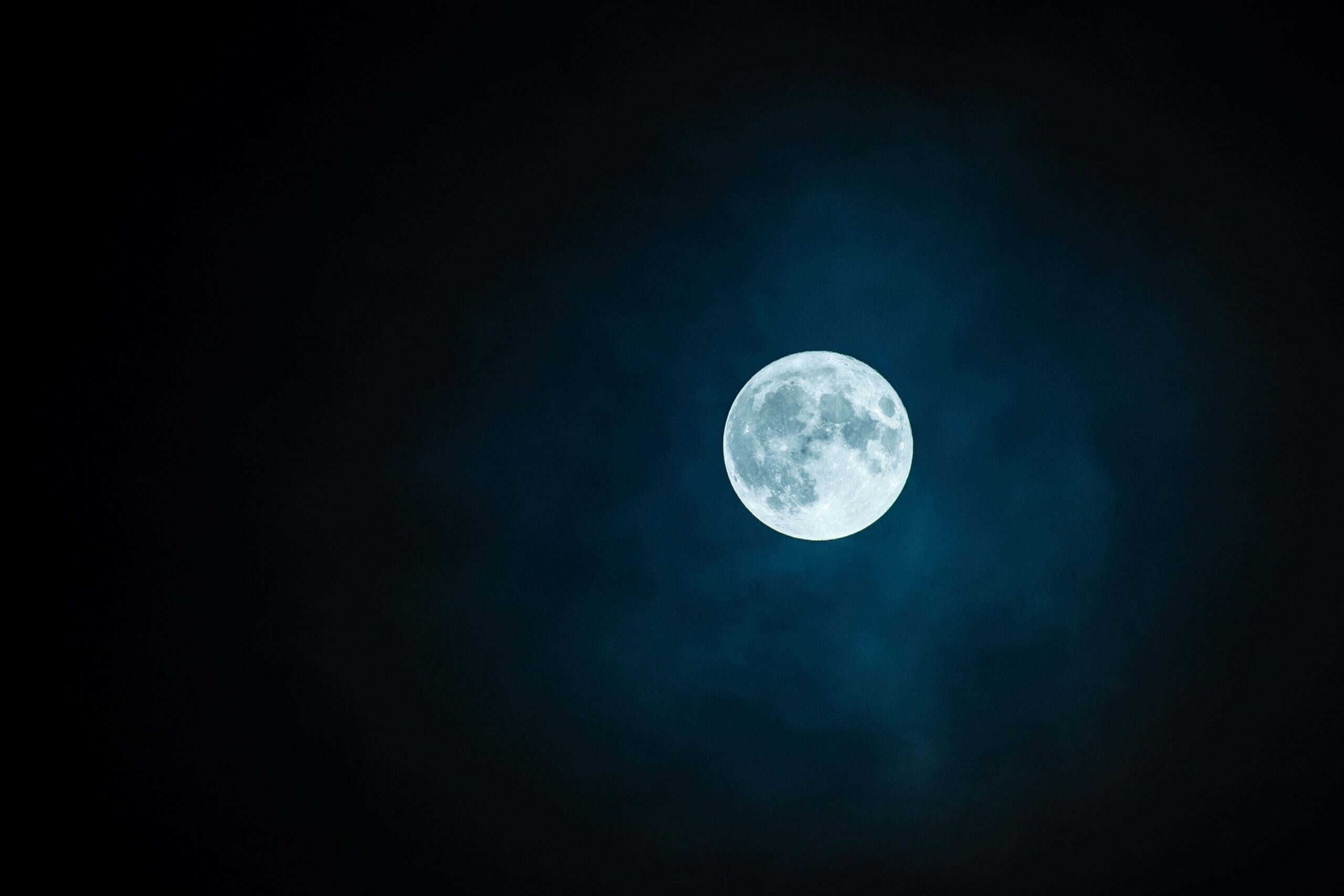
For thousands of years, human beings looked to the Moon to understand time, seasons, change, and the rhythms of life. Before the introduction of modern calendars and clocks, the Moon was a visible and reliable marker in the night sky, moving through predictable phases and cycles. In Hellenistic astrology, the Moon held a particularly important position, known as Selene in Greek tradition, she was the closest of the seven traditional ‘planets’ to the Earth and also the fastest moving. Her constant visible movement through the zodiac made her an indicator of change, circumstance, and unfolding events. While modern astrology often emphasizes the Moon as a symbol of emotions and inner life, deeply connected to the physical world, the body, daily life, time, and the transmission of planetary influence.
The Bridge Between Heaven and Earth
As the Moon was the planetary body closest to Earth, this placed her at an important boundary between the celestial realm and the sublunary world, giving a role as an intermediary between what happened in the skies and what unfolded on earth. As the Moon moves so quickly through the zodiac, traditional astrologers observed her as a constantly changing participant in celestial conversation as the Moon does not remain in one place for long, moving through a sign every couple of days and interacting with every planet every month, making her particularly useful for examining developing circumstances.
The Moon as Collector and Distributor of Light
The Moon travels approximately 13 to 14 degrees through the zodiac each day, compared with roughly one degree per day for the Sun, meaning that she continually encounters the other planets and carries those themes and stories forward. Hellenistic astrologers therefore developed the concept of the Moon as a collector and distributor of light, giving us a more mechanical understanding of her role. She is constantly gathering information through her planetary contacts and moving that information through the zodiac, and her positions can tell us something about what is coming together, what is separating, what is developing, and what is changing, this emphasis on movement is one of the reasons the Moon became so important in questions of timing. Her phases and planetary relationships offer us a way of observing the unfolding of circumstances.
The Moon and Sect
One of the foundational concepts in Hellenistic astrology is sect (or hairesis). The seven traditional planets are divided between a diurnal or daytime sect and a nocturnal or nighttime sect, with the Sun leading the diurnal sect and the Moon leading the nocturnal sect. The Moon therefore has particular importance in a night chart where she is the luminary of the sect, while Venus and Mars belong to the nocturnal sect, while Jupiter and Saturn belong to the diurnal sect. Mercury can participate in either depending on its relationship to the Sun. Sect is important because Hellenistic astrology does not treat every planet as operating in exactly the same way in every chart. The condition of the chart, whether it is day or night, and the relationship between the planets and their sect can change how their symbolism is understood.
The Moon’s Rulership of Cancer
If we look to traditional planetary rulership, the Moon rules and has its domicile in Cancer, a cardinal water sign associated with the summer solstice, a turning point in the solar year when the days have reached their greatest length and begin gradually moving toward darkness. The sign of Cancer connects her with themes of receptivity, nourishment, protection, home, family, containment, and the conditions necessary for life to develop.. The Moon is also exalted in the sign Taurus, a fixed earth sign, giving the Moon a symbolism of stability, fertility and material nourishment. Her traditional detriment is Capricorn, opposite her domicile in Cancer, while her fall is Scorpio, opposite her exaltation in Taurus. These dignities form part of the technical language Hellenistic astrologers use to assess planetary condition.
What the Moon in a Birth Chart
As we can see, the Moon has many significations in Hellenistic astrology, and they extend well beyond emotions. She is associated with the physical body, the sensory and instinctual mind, habits, nourishment, bodily fluids, rhythms, caregivers, early life, and the domestic environment. She can describe how a person receives impressions from the world and how they respond to changing circumstances. There is also a connection with the mother and primary caregivers that is particularly important within the traditional framework. While we can use the moon toward determining the description of someone’s mother, we can also use the Moon to examine themes surrounding early care, nourishment, family circumstances, and the experience of being physically and emotionally contained. Traditional texts often associate her with women, mothers, nurses, midwives, sailors, and the common collective. Which makes sense within the larger symbolism of the Moon as something visible, changeable, receptive, and closely connected to the rhythms of everyday life.
The Moon and the Physical World
In a lot of modern astrology, the Moon is often described primarily through emotional language, however in older traditions, the Moon was much more closely connected with embodiment and material life. Traditional medical astrology associated the Moon with bodily fluids, nourishment, the stomach, breasts, reproductive processes, membranes, and other areas of the physical body.
As mentioned, the Moon’s speed and visible phases make her important for timing. The lunar cycle offers a natural metaphor for change, but it also has a technical place within astrology. The New Moon begins a new lunation, the Waxing Moon moves toward greater illumination, the Full Moon represents maximum visibility, and the Waning Moon moves back toward darkness. Traditional astrologers used these phases alongside planetary relationships and other timing techniques to understand the development of events. Even outside technical astrology, the Moon’s phases provide a powerful way of thinking about change. The Moon does not remain full, and she does not remain dark. She continually moves through different visible conditions, reminding us that change is part of the natural order. That idea has found a natural place in modern wellness culture because it offers an alternative to the expectation that we should always be productive, energetic, and moving forward. The lunar cycle can serve as a simple reflective framework for noticing when we are building, reaching a point of visibility, or needing to slow down and process.
Looking at the Moon Today
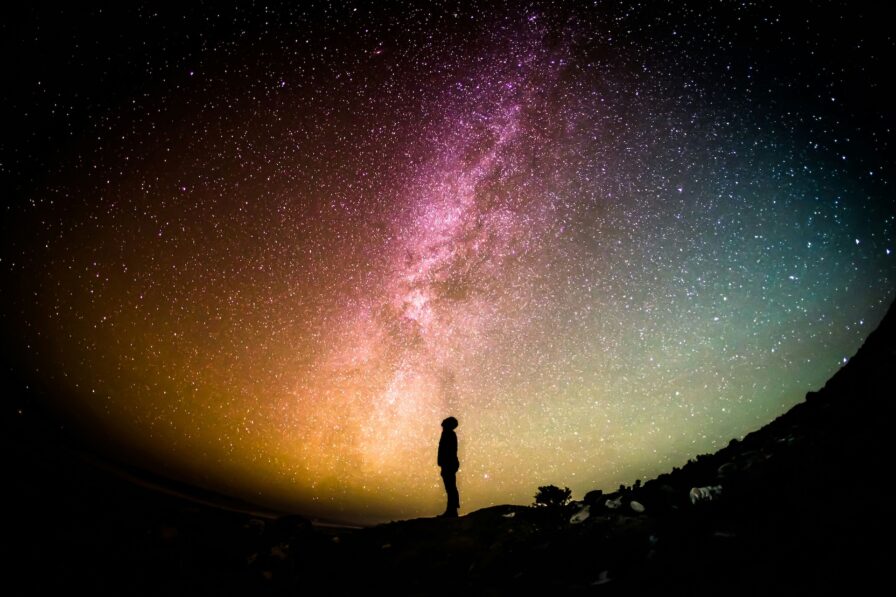
This may be one reason the simple act of looking at the Moon can feel surprisingly grounding. Modern life keeps our attention close to technology, obligations, and a sense of urgency around most of our responsibilities. Stepping outside and looking into the night sky can change the scale of our attention and give us moments in which we are not required to do anything but reflect. People have been looking at the Moon for centuries to mark time, seasons, navigate life, tell stories and observe cycles. When we look up today, we are participating in an experience that connects us not only with the natural world but also with generations of observers who lived under the same sky. Taking a few minutes to step outside, breathe, to ask questions such as “What am I building right now?” or “What has recently become clearer to me?” can turn an ordinary observation of the Moon into an opportunity for reflection. We might also ask where we are overextending ourselves or what deserves more of our attention.
Why the Moon Still Matters
The Moon remains one of the most important bodies in astrology because she brings together so many of the tradition’s central concerns, while at the same time, the Moon remains something we can simply look at. We do not need to know astrology to appreciate the fact that the same celestial body has been observed by countless generations before us.
To get more insight into the role the moon plays in your natal chart, book a consultation with me here.
Similar Resources
12th October 2026
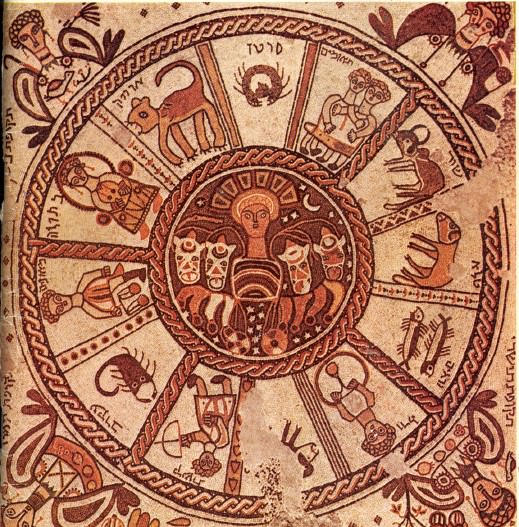
Why the Zodiac Signs Mean What They Mean
Why do zodiac signs mean what they mean? Long before modern horoscopes, the zodiac was initially used as a calendar, and the meanings given to each sign (or constellation) result from centuries of watching the…
10th October 2026
Reiki and the Body’s Stress Response
Reiki is often described as an energy-based practice, but what actually happens to the body during a session? For someone unfamiliar with Reiki, the experience can seem difficult to explain. A practitioner places their hands…
28th September 2026
The Origins of Astrology
To understand the origins of astrology is to understand one of the world’s oldest systems for understanding life on Earth. The earliest astrologers lived in ancient Mesopotamia, where they carefully observed the movements of the…