Reiki and the Body’s Stress Response
Reiki is often described as an energy-based practice, but what actually happens to the body during a session? For someone unfamiliar with Reiki, the experience can seem difficult to explain. A practitioner places their hands on the body or holds them just above it, and the recipient may experience warmth, relaxation, a sense of heaviness, or a quieting of the mind. Some people feel very little during the session itself, only noticing effects afterward. Although the traditional explanation of Reiki involves the movement of subtle energy, research into stress physiology and the autonomic nervous system offers other insights into why this non-invasive practice may be restorative. The research is still developing, but I believe there is enough to make the physiological side of Reiki worth examining, provided we distinguish what has been observed from what remains hypothetical.
The Nervous System and Experiencing Safety
Modern life tends to keep the body in a state of heightened alertness, work demands, financial pressures, constant notifications, poor sleep, and ongoing emotional stress can repeatedly activate the sympathetic branch of the autonomic nervous system, which helps prepare the body to respond to challenges. Heart rate may increase, breathing may become faster or shallower, and muscles may remain tense even when there is no immediate physical danger. The parasympathetic branch supports many of the processes associated with rest, digestion, and recovery, helping the body to return toward a more settled state after periods of activation. These do not operate like a simple on-and-off switch, and both remain active in changing combinations throughout the day. When stress and hypervigilance dominate for long periods, it can become difficult to settle down or have restorative rest.
A Reiki session can create a setting where the recipient can simply be without needing to respond to anybody or anything. The person usually lies or sits comfortably while the practitioner works quietly, either using light touch or holding their hands a short distance above the body. It is important the practitioner creates conditions that can support relaxation and help someone feel safe enough to let go of tension. The experience does not require the recipient to believe in a particular explanation of Reiki for them to appreciate the opportunity to rest.
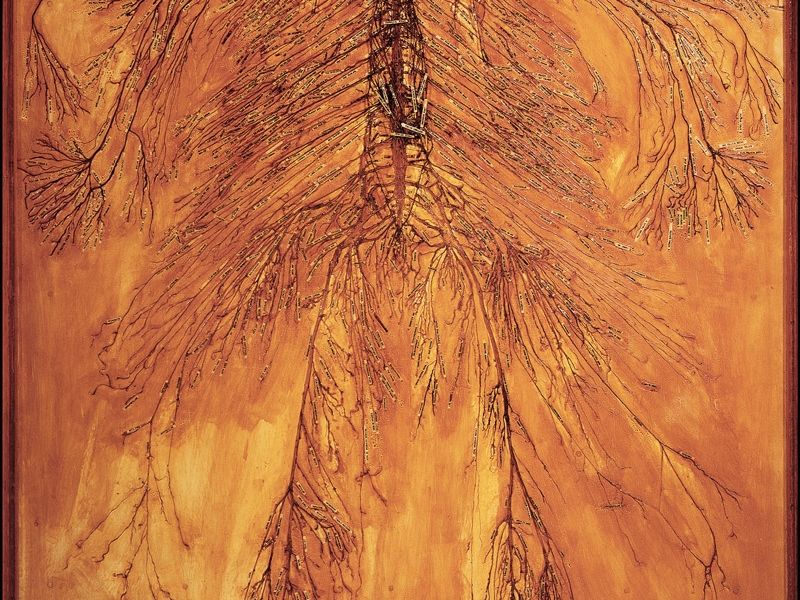
Touch itself is a biologically meaningful form of communication, with the skin containing sensory nerve endings that respond to pressure, movement, vibration, temperature, and other forms of stimulation. Gentle touch can contribute to a sense of comfort and connection, while sensory information from the body travels through peripheral nerves to the spinal cord and brain. The nervous system interprets this information alongside context, memory, expectation, and emotional state. A calm and intentional practitioner, a quiet room, and the experience of being cared for without pressure or expectation may all influence how the body responds. However the physiological response depends on the person, the type of stimulation, and the circumstances in which it occurs.
The vagus nerve is an important part of the parasympathetic nervous system and plays a role in regulating heart rate and other internal bodily functions. It is tempting to describe Reiki as directly stimulating the vagus nerve, but current research does not establish that this is the specific mechanism responsible for any benefits of Reiki. While Reiki may be associated with changes in autonomic activity in some settings, the precise pathways responsible remain uncertain. Research into Reiki and autonomic nervous system activity has reported promising but preliminary findings. Studies have found reductions in heart rate and diastolic blood pressure, and stress reduction during Reiki compared with placebos. However, the research varies in quality and methodology, and these findings do not establish exactly how Reiki works or prove that it directly stimulates the vagus nerve, more research is needed.
Cortisol, Heart Rate, & the Body’s Stress Response
The hypothalamic-pituitary-adrenal (HPA) axis connects the brain and adrenal glands to coordinate the body’s stress response, including the release of cortisol. Although cortisol naturally fluctuates throughout the day, persistent stress and disrupted daily rhythms may affect sleep, mood, and overall health. Relaxation practices may help manage stress, but the extent to which Reiki influences cortisol levels remains uncertain. Heart rate variability (HRV) is another measure used to explore stress and autonomic regulation, as the variation in time between heartbeats can provide insight into how the body adapts to changing demands. While higher HRV may indicate greater flexibility in autonomic regulation in some circumstances, it is influenced by many factors and cannot independently determine a person’s overall stress level or health.
Research has explored whether Reiki influences these physiological markers. Studies involving cardiac patients and healthcare professionals experiencing burnout have reported changes in certain HRV measures and other indicators following Reiki sessions, however findings related to cortisol have been less conclusive. Although these results offer preliminary insight into how the body may respond to Reiki, we have to consider physiological changes may also be the result of factors such as quiet rest, breathing, expectations, and the therapeutic environment, rather than Reiki alone.
Brainwaves, stillness, and the limits of the evidence
Reiki is often described as a quiet experience in which thoughts slow down and the mind begins to settle, sometimes allowing recipients to drift between wakefulness and sleep. Researchers study brain activity using electroencephalography (EEG), which measures electrical patterns across the scalp. These patterns include beta, alpha, theta, and delta frequencies, broadly associated with attention, relaxed wakefulness, drowsiness, and deep sleep. However, they overlap and represent a spectrum of brain activity rather than distinct states of mind.
Although relaxation and meditation can influence brain activity, there is insufficient scientific evidence to conclude that Reiki reliably shifts brainwaves from beta into alpha or theta states. Feeling calm does not necessarily indicate a specific brainwave pattern, nor does the presence of a particular frequency demonstrate emotional healing or cellular repair. Some proponents also connect Reiki to the Schumann resonance, a natural electromagnetic phenomenon with a fundamental frequency of approximately 7.8 Hz. However, there is no convincing clinical evidence that this frequency synchronizes the human body during Reiki or acts as a universal healing frequency, and claims that specific frequencies promote cellular repair or hormonal balance also remain unproven.
While relaxation and restorative sleep support overall well-being and the body’s natural recovery processes, these benefits do not establish a unique neurological mechanism for Reiki. The calming experiences reported by recipients can be acknowledged while recognizing that further research is needed to determine whether Reiki produces measurable changes in brain activity or other physiological processes.
What does this mean for someone receiving Reiki?
For someone receiving Reiki, they might feel warmth where the practitioner’s hands rest, notice their breath slowing down, or relief from physical or emotional tension/pain. Others may feel very little during the session and notice a difference only afterward, including what is traditionally called a “healing crisis,” in which they experience temporary emotional release, fatigue, or physical changes following a session. Though these experiences are often described as a purge or release, there is no established scientific evidence that they represent toxins leaving the body or a specific healing process. There is no single response everyone should expect, and the absence of dramatic sensations does not mean a session has failed. Each person’s experience may be influenced by their comfort, expectations, stress levels, and physical and emotional state.
Ultimately, exploring the relationship between Reiki and the nervous system offers an opportunity to better understand how touch, attention, relaxation, and a sense of being cared for may influence the body’s response to stress. A Reiki session may provide a welcome pause from the pressures of daily life, particularly for those with dysregulated nervous systems or who have been in a prolonged state of hypervigilance. Although many questions remain, approaching the practice with openness and scientific curiosity allows us to acknowledge people’s experiences while continuing to explore what the evidence can tell us. While recognizing that research into its physiological effects is ongoing, Reiki can complement appropriate medical and mental health care, but it should never replace established treatments or delay professional assessment.
Read more into my Reiki services.
Sources and Influences
-
Mackay, N., Hansen, S., and McFarlane, O. (2004). “Autonomic Nervous System Changes During Reiki Treatment: A Preliminary Study.” The Journal of Alternative and Complementary Medicine. Read the study.
-
McManus, D. E. (2017). “Reiki Is Better Than Placebo and Has Broad Potential as a Complementary Health Therapy.” Journal of Evidence-Based Complementary & Alternative Medicine. Read the review.
-
Friedman, R. S. C., et al. (2010). “Effects of Reiki on Autonomic Activity Early After Acute Coronary Syndrome.” Journal of the American College of Cardiology. Read the study.
-
Díaz-Rodríguez, L., et al. (2011). “Immediate Effects of Reiki on Heart Rate Variability, Cortisol Levels, and Body Temperature in Health Care Professionals With Burnout.” Biological Research for Nursing. Read the study.
Similar Resources
12th October 2026
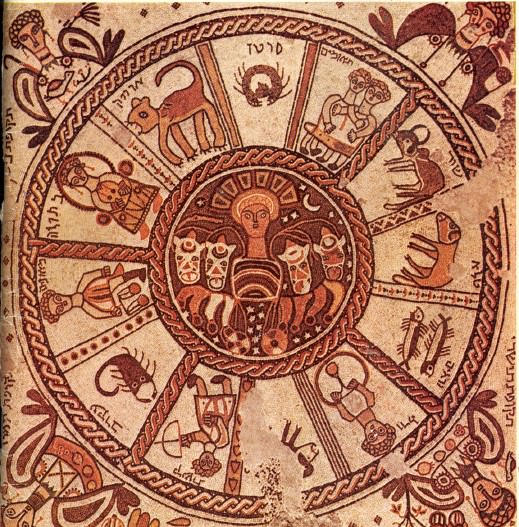
Why the Zodiac Signs Mean What They Mean
Why do zodiac signs mean what they mean? Long before modern horoscopes, the zodiac was initially used as a calendar, and the meanings given to each sign (or constellation) result from centuries of watching the…
30th September 2026
How the Moon Helps Us See Life Differently
For thousands of years, human beings looked to the Moon to understand time, seasons, change, and the rhythms of life. Before the introduction of modern calendars and clocks, the Moon was a visible and reliable…

28th September 2026
The Origins of Astrology
To understand the origins of astrology is to understand one of the world’s oldest systems for understanding life on Earth. The earliest astrologers lived in ancient Mesopotamia, where they carefully observed the movements of the…