Reflexology vs Massage
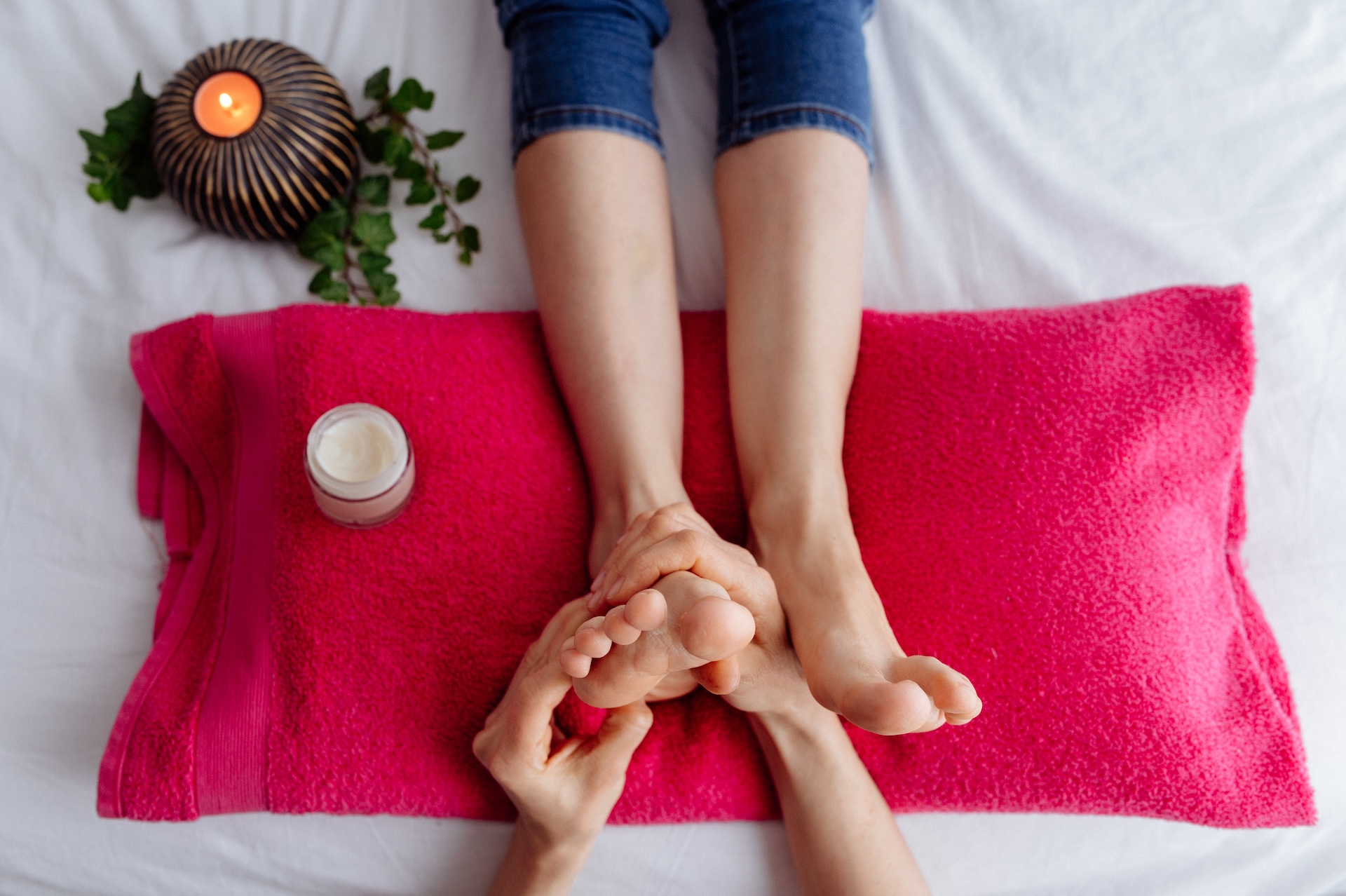
Some people book a reflexology session expecting a foot massage, however once the session begins they often realize there is a specific method behind the pressure, sequence, and areas being worked. While massage and reflexology can both promote relaxation and ease tension, they are fundamentally different approaches to working with the body. Massage focuses primarily on the muscles, fascia, and other soft tissue of the feet and lower legs, with the intention of easing local tension, encouraging circulation, and helping the person relax. Reflexology uses a specific system of reflex points and zones on the feet and approaches the feet as a map of the entire body.
The Feet Are More Complicated Than They Look
The feet are remarkably complex structures, with each foot containing 26 bones, numerous joints, muscles, connective tissues, and a dense network of sensory receptors and nerve endings. Those structures constantly send information to the nervous system about pressure, movement, temperature, balance, and touch. This is one reason reflexology can feel different from massage. The pressure provides sensory information that is processed by the nervous system, and the experience of sustained, focused touch can contribute to relaxation. However, it is important we separate what reflexology traditionally proposes from what modern research establishes. Reflexology should never be presented as a proven method for directly treating or curing a particular organ, disease, or medical condition simply by pressing a corresponding point on the foot.
Where Reflexology Comes From
While various forms of foot pressure and foot-based practices can be found in older cultures, modern Western reflexology developed in the early twentieth century. Dr. William Fitzgerald introduced Zone Therapy in 1913, proposing that the body could be divided into ten longitudinal zones and that pressure applied to certain areas could influence sensation in corresponding areas. Later on, physiotherapist Eunice Ingham later expanded this work and focused heavily on the feet, developing detailed reflexology maps and teaching her approach throughout North America, eventually publishing Stories the Feet Can Tell in 1938. Her work became highly influential in the development of the reflexology methods, so while people sometimes describe reflexology and its vague ancient origins, its modern Western history actually has a traceable lineage.
What the Nervous System Has to Do With It
One of the most useful ways to understand the experience of reflexology is through our nervous system. Feet contain a large number of sensory receptors, so pressure and touch provide a steady stream of information to the brain and spinal cord. A reflexology session also creates an environment where a client can lie still, breathe, slow down, and receive consistent physical contact and care without having to perform or accomplish anything. The body’s stress response is designed to help us deal with immediate demands, but most people are not dealing with immediate physical danger all day long. Modern stress often comes from work, family responsibilities, finances, technology, deadlines, and the constant feeling that there is something else that needs to be done. Treatment can give the nervous system a different set of signals to process, and may contribute to slower breathing, a sense of physical heaviness, reduced muscle tension, and the feeling that your body is finally allowed to settle.
Does Reflexology Hurt?
While some areas of the feet can feel tender during treatment, this does not mean that you should be experiencing significant pain, and there is no benefit to forcing pressure beyond what your body can comfortably tolerate. A good reflexologist should encourage the client to communicate so that the pressure can be adjusted when necessary. A session should feel intentional without becoming an exercise in endurance. Everyone experiences pressure differently, so there is no single level that is considered correct for every person, your comfort and communication are part of the treatment.
Not a Cure-All
Reflexology is not a replacement for a physician, physiotherapist, or any other appropriate medical treatment, and it should never be presented as a cure for disease. There is not enough evidence to claim this and a responsible practitioner should be comfortable saying that rather than making promises that the evidence does not support. This does not mean reflexology has nothing to offer, as the experience of focused touch, quiet time, sensory input, and relaxation can be meaningful in its own right. Sometimes the benefit does not need to be more complicated than giving your body and nervous system an opportunity to slow down.
No Session is Often the Same
Your body does not feel exactly the same every day, so I do not believe every appointment should feel exactly the same either. Stress, sleep, activity levels, emotional load, and everyday life can all be huge influences on how you experience a session. One appointment might call for slower and gentler work, while another might involve more focused pressure in particular areas of the feet. This is also why I like to get to know regular clients over time, if someone returns on a consistent basis, we are not starting from zero every time they walk through the door. Clients become familiar with my touch while I become familiar with how their feet respond and we can notice how their experience changes from one appointment to another.
How Often Should You Have Reflexology?
There is no official number of reflexology sessions that everyone needs. Someone may only book occasionally, while others incorporate reflexology into their regular self-care routine and may prefer monthly or bi-weekly appointments. The right schedule depends on your goals, budget, availability, and your personal response to the sessions. For regular clients, the benefit of consistency is that each appointment becomes part of an ongoing relationship with the treatment, rather than waiting until you are completely overwhelmed before doing something for yourself, regular appointments create a predictable opportunity to slow down. You also become more familiar with how your body responds to pressure and relaxation.
Similar Resources
12th October 2026
Why the Zodiac Signs Mean What They Mean
Why do zodiac signs mean what they mean? Long before modern horoscopes, the zodiac was initially used as a calendar, and the meanings given to each sign (or constellation) result from centuries of watching the…
10th October 2026
Reiki and the Body’s Stress Response
Reiki is often described as an energy-based practice, but what actually happens to the body during a session? For someone unfamiliar with Reiki, the experience can seem difficult to explain. A practitioner places their hands…
30th September 2026
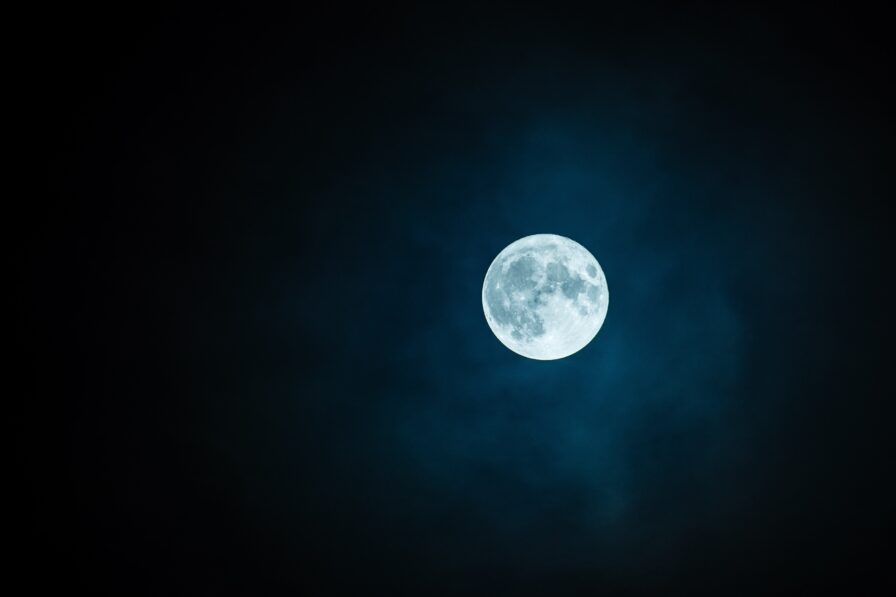
How the Moon Helps Us See Life Differently
For thousands of years, human beings looked to the Moon to understand time, seasons, change, and the rhythms of life. Before the introduction of modern calendars and clocks, the Moon was a visible and reliable…